
SUSTAINABLE FROM THE VERY FIRST INGREDIENT TO THE JAR
Responsibility begins with provenance
For us, sustainability is not a label you add somewhere as an afterthought. It starts right at the beginning — with the question of where our ingredients come from, who grows them, and how long we have been working together.
Many discussions around food revolve around anonymous supply chains, changing origins, and a lack of accountability. We have made a conscious choice to take a different path: with fixed producers, clear provenance, and long-term relationships.
Many discussions around food revolve around anonymous supply chains, changing origins, and a lack of accountability. We have made a conscious choice to take a different path: with fixed producers, clear provenance, and long-term relationships.
Clear origins instead of anonymous supply chains
Our ingredients come from specific regions — from people we know. From the vineyard to the mustard field, we work with producers who have often been part of our process for many years.
One example is our vinegar: the Riesling comes from an organic winemaker we have worked with for years. From exactly this wine, our own vinegar is produced in the Black Forest — without anonymous middlemen, without changing origins. Our mustard seed also comes from German contract farming. On our mustards, the origin is printed directly on the label. This makes it traceable exactly where your product was grown.
This is what a supply chain can look like when it is not built on short-term price optimisation, but on reliability, quality, and mutual trust.
Long-term relationships instead of short-term gains
For us, sustainability also means making decisions that don't always pay off immediately, but feel right in the long run.
Many of our partnerships have existed for years. Some since the very first jar. Because we believe that good food can only come about when responsibility is shared — across harvests, prices, and challenges alike.
This is how products come into being that are not interchangeable, but have a story.
Artisanal production in Freiburg
Our mustards are traditionally cold-ground between granite stones weighing 500 kg. This preserves the valuable essential oils — for a natural, harmonious flavour.
Our ketchups contain over 80% tomato content and just 12% total sugar. Our dressings are produced without emulsifiers — which is why the oil and vinegar are naturally allowed to separate.
We take our time. And we forgo industrial fast-track processes. Short supply chains, clear processes, and full control over what ends up in the jar.
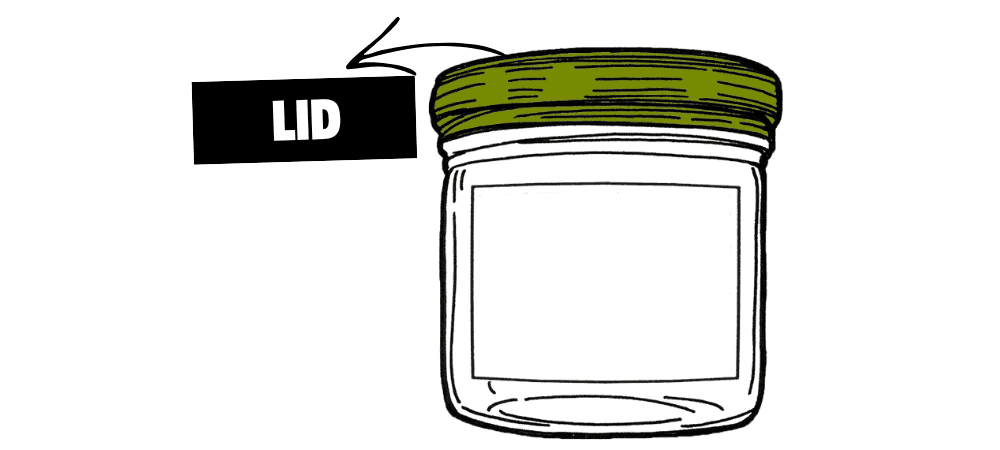
Our sustainable lid
Our lids are consistently free from PVC, BPA, and PFAS — and of course recyclable. Simply dispose of them in the yellow recycling bag.
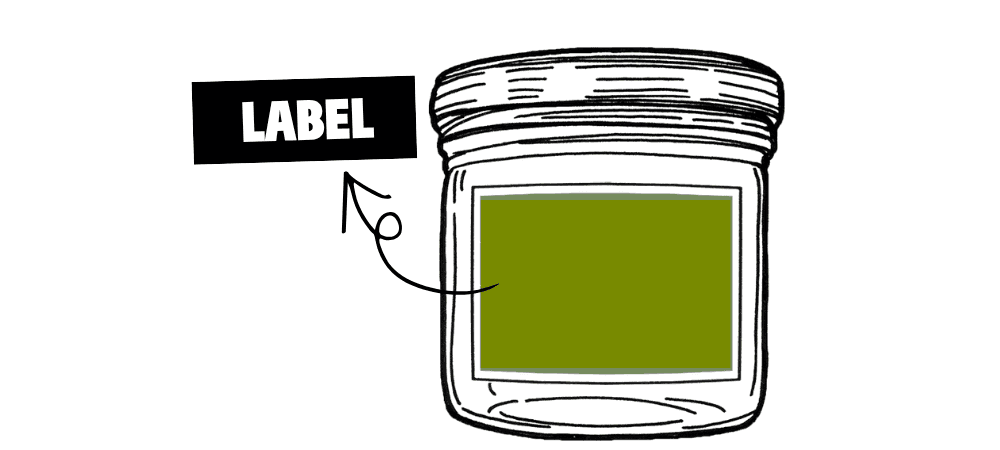
Our sustainable labels
For our FSC-certified label paper, there was long a problem: there was no vegan, casein-free label adhesive that was also water-soluble. The result? Labels that were difficult to remove from the jar. That bothered us. And rightly so, many Emils customers too.
Now there is finally a vegan adhesive on the market that peels off easily. We switched straight away. We still need to use up the old labels with the hard-to-remove adhesive — it would not be sustainable to simply discard them. But soon you will be able to receive all our products with the new, easy-peel adhesive. This too is part of sustainability: not just finding better solutions, but consistently implementing them.
Now there is finally a vegan adhesive on the market that peels off easily. We switched straight away. We still need to use up the old labels with the hard-to-remove adhesive — it would not be sustainable to simply discard them. But soon you will be able to receive all our products with the new, easy-peel adhesive. This too is part of sustainability: not just finding better solutions, but consistently implementing them.
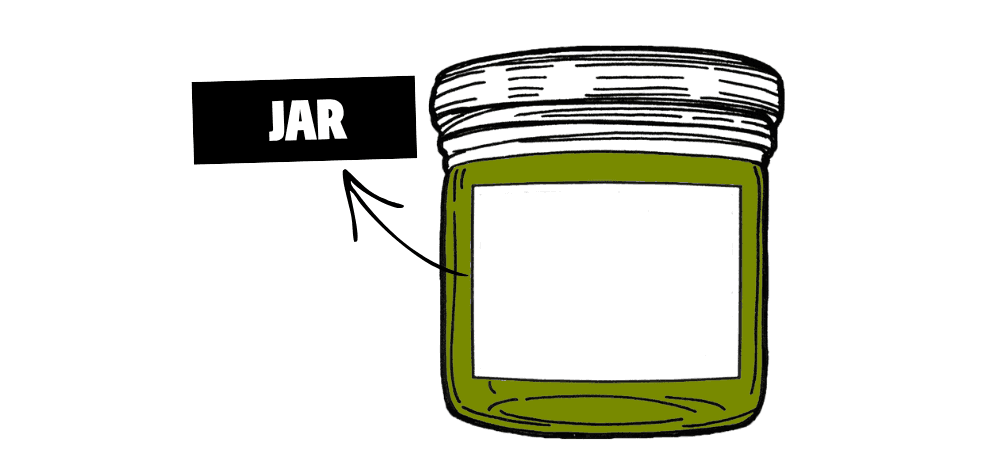
Our sustainable jars
We believe chemicals have no place in food. That is why all our products are bottled in glass bottles or jars.
No plastic. No plasticisers. No investor.
The fact that we are able to make many of these decisions is also down to the fact that we are independent. Emils is 100% founder-owned. There is no investor pushing for rapid scaling or maximum margins.
This means we can decide what is right for us — not what is cheapest.
Sustainability is not a destination. It's a journey.
We know that we are not perfect either. But we believe that honest steps, transparent decisions, and long-term thinking are the right way forward.
And that is exactly what we are working on — one jar at a time.